Smart Home Innovations

Smart home technology is becoming an increasingly common part of home renovations. From lighting and heating to blinds, security and entertainment systems, there are more options available than ever before.
But while it's easy to focus on the technology itself, the most important decisions often need to be made long before any devices are installed.
When renovating a home, many of the foundations for a successful smart home are established before walls are plastered, flooring is laid or furniture is selected. Thinking about these details early can help ensure that technology supports the way you live, rather than becoming an expensive afterthought.
At Decorbuddi, we approach smart home technology in the same way we approach any specialist element of a project. We start by understanding how you want to live in your home and then collaborate with trusted experts where specialist knowledge is required. The result is a home where technology feels integrated into the design rather than bolted on later.

Start with lifestyle, not technology
One of the biggest mistakes homeowners make is starting with products instead of priorities.
Before considering apps, control panels or automation systems, it helps to think about how you want your home to function on a daily basis. What works well already? What frustrations do you experience? Which tasks could be made simpler?
For one household, the priority might be creating flexible lighting that adapts throughout the day. For another, it might be controlling heating across multiple floors, managing blinds in hard-to-reach spaces or creating a seamless entertainment system.
The best smart homes are rarely the most complicated. They are the ones that solve genuine problems and support everyday routines without demanding constant attention.
Why early planning matters
The reality is that many smart home decisions have implications for electrical layouts, lighting circuits, switch locations and cabling infrastructure.
By the time a renovation reaches the decorating stage, opportunities can become more limited and costly to change.
This doesn't mean every smart home detail needs to be finalised from day one, but it does mean the right conversations should begin early.
During the design phase, we often help clients think through practical questions such as:
How will each room be used?
Where will furniture sit?
How do people move through the space?
Which areas need flexible lighting?
Where should controls be positioned?
Which functions would benefit from automation?
Answering these questions early creates a stronger foundation for both the interior design and the technology that supports it.
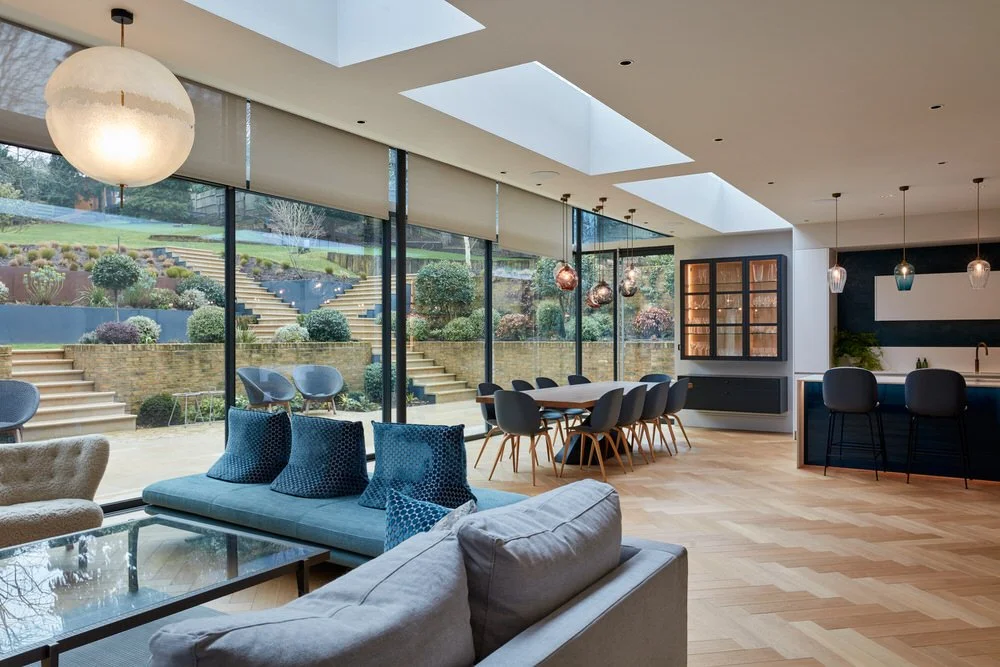
Lighting is often the biggest opportunity
Lighting is one of the areas where thoughtful planning can have the greatest impact.
Modern homes often need to support multiple activities within the same room. A kitchen may act as a workspace during the day, a family hub in the afternoon and an entertaining space in the evening. A living room may need to transition between reading, watching television and hosting guests.
Smart lighting controls can make these transitions feel effortless, but only when the lighting scheme itself has been carefully designed.
That's why we always start by considering the room's layout, purpose and atmosphere before discussing controls and automation. Understanding how a space works allows lighting designers and technology specialists to create systems that enhance daily life rather than complicate it.
Think about the details you will see every day
Technology isn't just what happens behind the scenes.
Switches, keypads, control panels and sensors all become visible parts of your interior. While individually small, these details can influence how a finished room looks and feels.
Considering them alongside furniture, colour palettes and architectural features allows for a more cohesive result.
It's also worth thinking about how you want to control different functions. Some homeowners prefer physical switches, while others favour app-based controls or automated settings that operate in the background. Most successful systems incorporate a balance of all three.

Bring the right experts together
A successful renovation often involves a team of specialists working towards a shared vision.
Just as we collaborate with architects, builders, structural engineers and lighting designers, smart home technology is typically delivered by dedicated automation specialists. Their expertise ensures the technical elements are designed and installed correctly, while the wider design team ensures those solutions support the overall vision for the home.
The earlier these conversations happen, the easier it becomes to coordinate decisions and avoid unnecessary compromises later in the project.
Technology should support the design, not dominate it
The most successful smart homes don't necessarily announce themselves.
Instead, technology works quietly in the background, supporting comfort, convenience and day-to-day living while allowing the design of the home to remain centre stage.
Whether you're planning a whole-house renovation or redesigning a single space, considering smart home requirements from the outset can help avoid costly changes later and create a home that feels both beautiful and practical.
At Decorbuddi, we help clients bring together all the elements that shape a successful home renovation. Where smart technology forms part of the brief, we work alongside trusted specialists to ensure the technology supports the design and the way you want to live.
If you're planning a renovation and would like expert guidance before the building work begins, a Decorbuddi Get Started consultation can help you explore the opportunities, priorities and practical decisions that will shape your project.