
How AI Can Help Your Design & Renovation Project
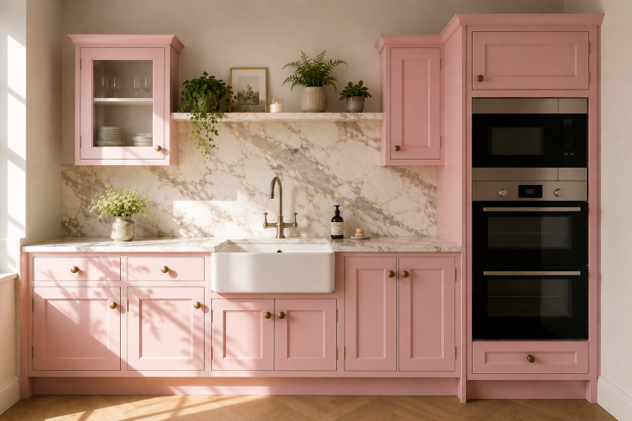
AI Kitchen render created by Jo Miller to show interior design possibilties
AI Interior Design and your Renovation Project
There's a quiet shift happening in how people start a renovation project. A few years ago, the first step was usually a Pinterest board, a stack of magazine tear-outs, or a slightly overwhelming Saturday spent walking round a furniture showroom trying to picture how any of it would look in your own home. Now, it's just as likely to start with a photo of your living room and an AI app that shows you what it could look like in a dozen different styles before you've even finished your coffee. That can be just as confusing and difficult to navigate as in the pre AI days, but if you have the time and interest it can also be a useful way to gather interior design ideas more accurately tailored to your personal space - although of course personal is one thing that it isn’t really.
For clients, it can help you to describe your look and style to your designer more effectively. This will speed up the first phase of the interior design process. It helps clarify what style terms such as “contemporary” or “classic” really mean to each person, avoiding the misunderstandings that can otherwise arise. You can share your renovation ideas much more clearly.
AI tools have made it remarkably easy to generate ideas for your own property. That enables the conversation with a designer to start further along than it used to.

AI image created by David Massingham to show joinery design concept for a client’s living room
For designers, it's changed the early stages of a project for the better too. AI is excellent at generating possibilities and speeding up the visualisation process.
Real life experience, on the other hand, is what tells you which of those ideas are worth pursuing - spotting opportunities you may not have considered, knowing how light shifts throughout the day, how materials age, how spaces flow together, and where to invest your budget and where to save.
AI assistants can also help to build renovation checklists, organise budgets, compare quotations, or keep a record of every decision and delivery date in one place. For a project with a lot of moving parts, this structure can help communicate and co-ordinate the implementation process as well as the design vision.
So if you have the time and interest, AI is a very useful starting point to explore alternative looks and room layout ideas for your own space. Save the images that make you go "yes, that" and the ones that make you go "absolutely not." All of that is useful information, and bringing it to a designer gives them a head start on understanding your vision, rather than starting from a blank page.
Just remember that AI is very good at building your confidence in the ideas that it represents but they may not be accurate or work in reality. It will often present ideas as if they’re completely achievable, even when they’re not. Treat it as inspiration and research rather than expert advice.
AI video created by David Massingham to aid spatial awareness of the design
Where A Designer Still Earns Their Place
There are significant limitations that we need to be aware of. AI is only as good as the quality of the questions asked and the accuracy of the information provided. Even if the information is accurate when first entered AI has a tendency to change it. So it is necessary to keep checking back to the original prompts and assumptions entered or very expensive mistakes can easily be made.
AI is limited to the surface visual. What it sees and not what is discovered on site. A render shows you a beautiful image. It doesn't know that moving the kitchen to the other side of the house will involve extensive drainage and plumbing work, that your Victorian house has uneven walls that will effect every fitted element, or which existing features are worth preserving and which can be altered. None of that is a flaw in the technology - it's simply not the job it's doing. It can create an inspiring idea of what you would like to achieve, but not an accurate assessment or plan of the real possibilities.
Turning inspiration into a cohesive design is where the designer adds value. They will take the ideas and create an individual design that works for you: choosing materials that work together and wear well, sourcing pieces that exist in the real world at a price that makes sense, and making the hundred small decisions along the way that decide whether a room ends up feeling effortless or slightly off. It is about seeing the whole picture. AI tends to make decisions one image at a time (and is famous for quietly changing its’ mind) whereas a real home needs every element of every room to work together and every room to relate to the next, creating a coherent and successful interior design.
It's worth being clear about the difference between organising a project and actually coordinating one, too. A good checklist app or budget tracker will keep everything tidy on paper. It won't stand in your kitchen with the plumber at eight in the morning when something unexpected turns up behind a wall, or know which tradesperson to call first when one delivery runs late and the whole week needs reshuffling. That's a relationship-and-judgement job, built up over years of actually doing it, and it's where a designer earns their keep well beyond the mood-board stage.
So the two things complement each other rather neatly. AI is brilliant at the fast, exploratory, "what if" stage. A designer is what turns the best of those what-ifs into a home you'll actually love living in, finished properly, on budget, without you having to co-ordinate six different tradespeople yourself.
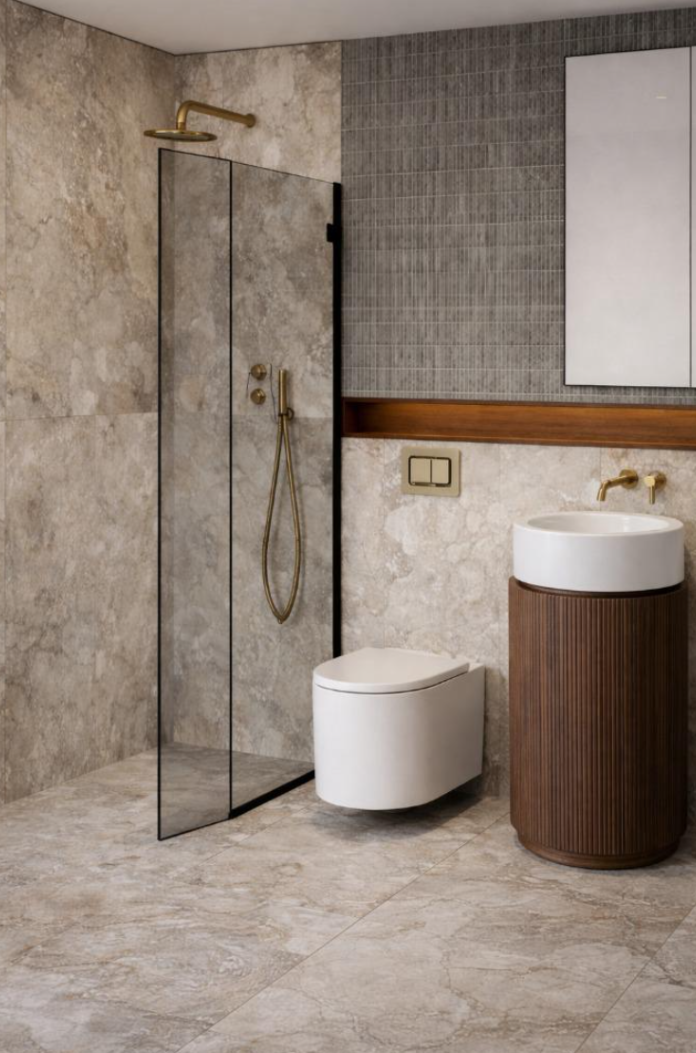
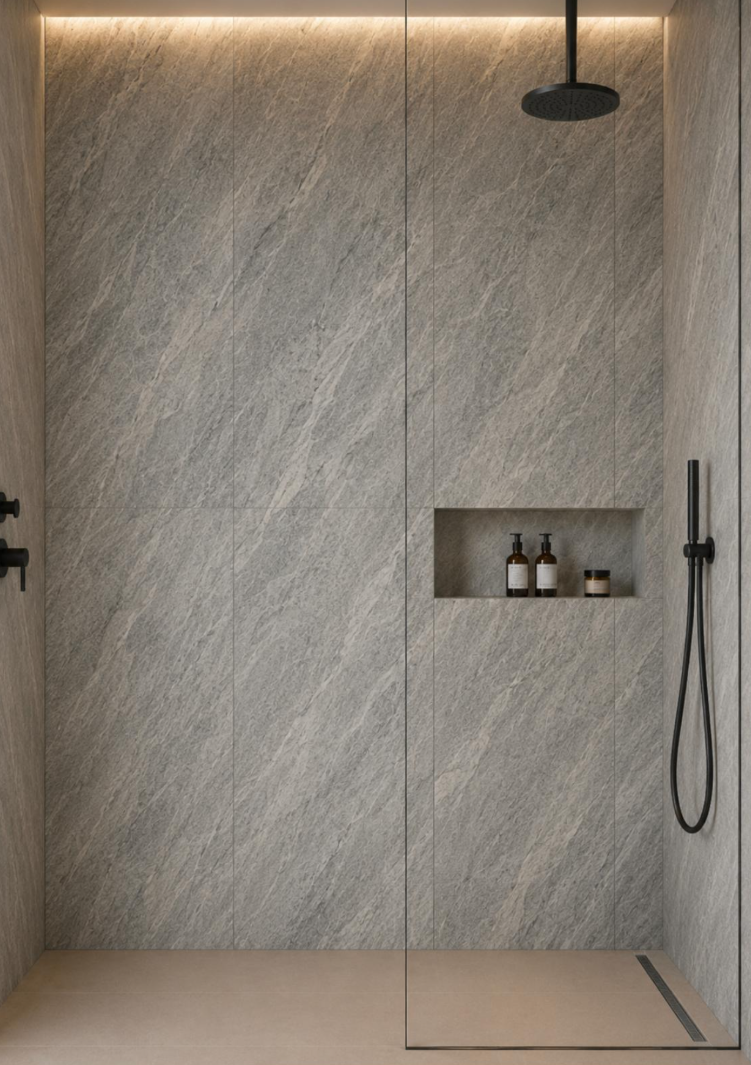
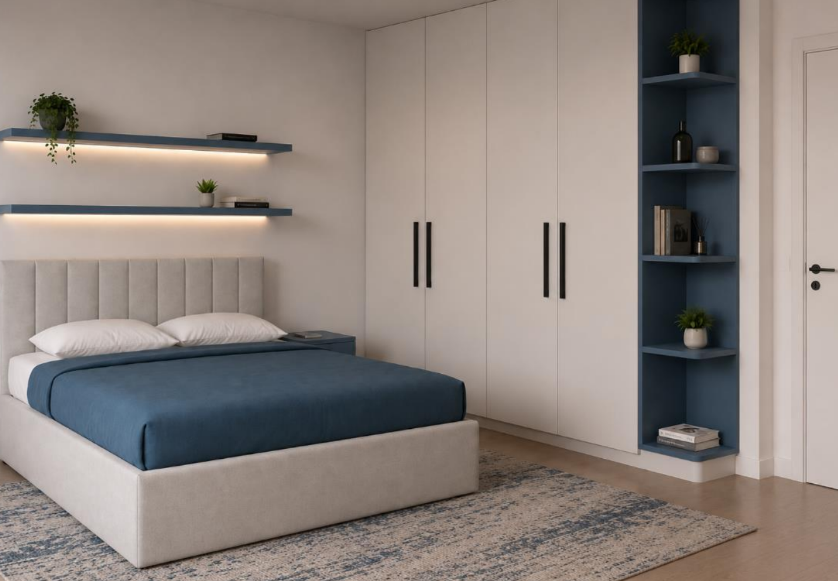
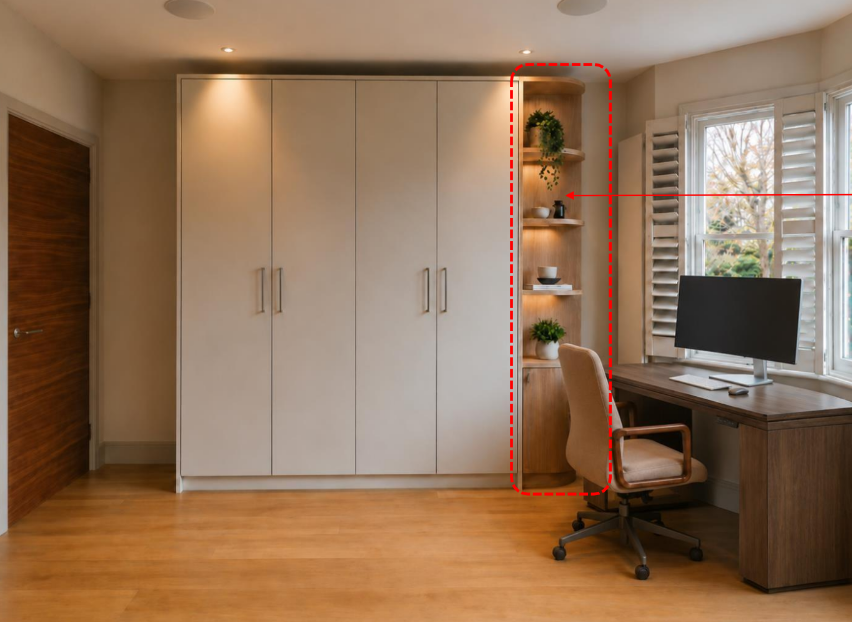
Examples from client projects by Edmund Platacis
Bring Whatever You’ve Got
If you've already got a folder of AI-generated images, checklists and schemes share them with us at the first meeting. As has always been the case, what you don’t like is as important as what you do. This starting point enables us to move smoothly on from initial ideas to working out what's realistic for your space and budget, creating a detailed design and building a plan to get you there.
If you're at that stage now, our Get Started session is designed exactly for this. Come with ideas, half-formed thoughts, or a phone full of AI renders - we'll help you work out what's worth pursuing, what opportunities may have been missed and how to progress to achieve your vision.
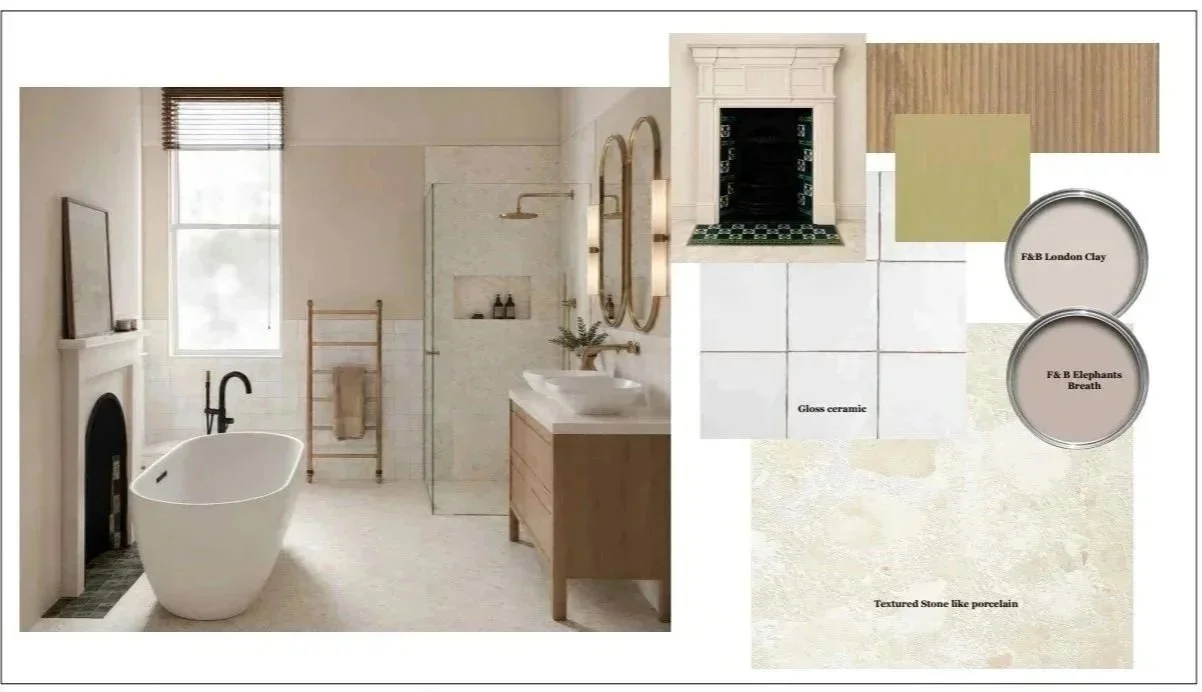
AI render as part of Decorbuddi Design Pack by Tracy Duncan